Simplifying Time Tracking with Advanced Biometric Systems
For a long time, businesses tracked employee attendance using punch cards, paper logs, and manual records. These old methods worked fine back then, but today’s changing work environments need something more precise, safe, and productive. Now, teams often work from home, have flexible hours, spread across different places, or mix office and remote work. In this fast-paced world old-school time tracking just can’t keep up. That’s why the Modern Biometric System has become the go-to choice for keeping tabs on workforce attendance.
It gets rid of manual work, stops mistakes, and sets up a clear automatic attendance system. Using face scanning as its main feature, time tracking becomes quicker, hands-free, and more dependable — making sure every moment on the job is recorded.
Modern biometric systems don’t just replace old tools; they have a revolutionary impact on how attendance supports HR, payroll, and workforce productivity.
The Role of Modern Biometric Systems in Workforce Tracking
1. Higher Accuracy Without Manual Errors
Paper logs and swipe cards often lead to errors — lost cards forgotten entries, or deliberate time fraud. Each mistake causes payroll issues and unhappy employees.
A modern biometric system fixes this by connecting attendance to a unique facial identity. Nobody can punch in for a coworker. No lost timecards. No wrong timestamps. Each entry becomes a verified unalterable record.
This precision improves payroll reliability and makes sure employees get fair pay for their actual hours.
2. Boosting Employee Trust Through Transparency
Staff members desire equal treatment – when it comes to tracking attendance and overtime. A neutral unbiased biometric system that logs every check-in gives employees confidence that their pay isn’t affected by manual interference.
Biometric time attendance systems:
- Cut down on disagreements
- Free up HR time used to solve attendance issues
- Build employee trust in the system’s precision
Openness creates a better workplace environment.
Quicker, Touch-free Clock-ins With New Biometrics
Picture 200 employees arriving at different times across several locations. If everyone uses cards or codes, lines form fast — and work flow slows down.
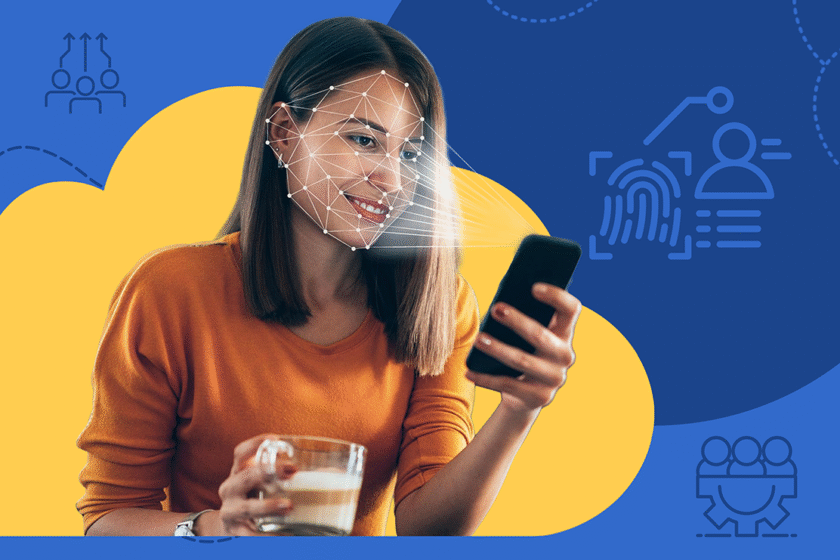
With touch-free face recognition, employees just look at the screen, get verified, and move on right away with Clock in Clock Out App. No contact points and no delays.
This has particular value in a post-pandemic world where cleanliness and productivity are more crucial than ever. For businesses with multiple sites, a biometric system ensures steady reliability at every location.
How Facial Recognition Improves Time Tracking
Facial recognition doesn’t just log attendance; it changes the whole time-tracking process.
Key improvements include:
- Touch-free & Clean Nothing to touch. No cards to misplace.
- Stops Co-worker Time Theft the signed-up employee can sign in — ending a very costly type of attendance cheating.
- Instant Updates to HR & Pay Systems Each attendance log flows right into the HR and pay systems cutting out hand-done math mistakes.
- Works for Many Sites If you run one place or many branches, employers get clear right info without dealing with lots of spreadsheets.
This is the new way to track attendance: see → match → write down → update. Easy, safe, and quick.
How Biometric Time Tracking Changes Real Workplaces
Businesses that use face scanning for attendance often see big improvements in how they run, like:
1. Less Time Cheating
It’s almost impossible to clock in for a friend, add extra hours, or forget to punch in.
2. Quicker Pay Processing
Because attendance records go straight into pay software, HR doesn’t need to check hours by hand. Jobs that used to take days now take hours.
3. Built-in Paper Trails
Each entry gets a time stamp and secure log, which makes checking rules and doing audits easier and more trustworthy.
4. Teams Get More Done
Employees spend less time clocking in, and HR spends less time fixing attendance. This frees up time to do important work.
Let Info-Tech’s Face Recognition System Make Taking Attendance Easy
Info-Tech’s New Biometric System aims to make attendance simple from beginning to end. It combines face recognition with HRMS and payroll so that each logged hour becomes part of pay calculations.
With one safe platform, companies can:
- Handle attendance at many locations
- See up-to-date information
- Set up payroll without manual work
- Cut down on conflicts and mistakes
Whether you lead a small group or run big operations in many places, Info-Tech helps make attendance easy and free of errors.
A cutting-edge biometric system enhances time tracking by using facial recognition for accurate attendance recording stopping buddy punching, updating payroll data, and allowing quick touchless check-ins. It boosts clarity, cuts down on mistakes, and streamlines workforce oversight.
Conclusion
A Modern Biometric System does more than upgrade technology — it changes how companies track time, boost transparency, and ensure accurate payroll. Facial recognition gets rid of old attendance methods, cuts down on fraud, and gives HR teams trustworthy data in real-time. With quicker clock-ins and one platform for many locations, businesses can work better and hold their workforce more accountable.
If you want a system that makes attendance easier while supporting HR operations ready for the future biometric time tracking is the way to go.
Experience It Yourself — Book A Free Demo To Explore Info-Tech’s Facial Recognition System!
Frequently Asked Questions:
How does a biometric system help in time tracking?
A biometric system relies on unique markers like facial features to log attendance. This gets rid of manual slip-ups, stops buddy punching, and links attendance to HR and payroll systems to calculate pay.
Is facial recognition attendance safe?
Yes. Up-to-date systems use encrypted templates instead of storing actual photos. This approach ensures strong security, protects privacy, and follows workforce management rules.
Can biometric attendance work for multiple locations?
For sure. Cloud-enabled biometric systems combine attendance data from all branches into one main dashboard. This allows HR and managers to keep track of workforce attendance as it happens.
Does a biometric system reduce HR workload?
Yes. By making attendance capture automatic and getting rid of manual checks, HR spends less time checking timesheets and more time on important tasks.
How accurate is facial recognition for attendance?
New facial recognition systems are very accurate because of AI-powered matching. They work well even when lighting changes or people’s looks change a bit.
